
Acne 101: Triggers, Treatments & Salon Facials That Help
Breakouts aren't just for teenagers. We break down the science behind adult acne in Bangalore and explain what you can *actually* do at home and in the salon for clearer, calmer skin.

''' It’s one of the most common skin concerns we see at our North Bangalore salon, and also one of the most misunderstood. Acne. Far from being a teenage rite of passage, it can affect anyone at any age. Between Bangalore’s humid climate, the daily commute through pollution, and the constant stress of modern life, our skin often bears the brunt of it all. But achieving clearer, calmer skin isn’t about finding a single “miracle” product; it’s about understanding your skin and building a consistent, intelligent routine.
At JH Salon, we believe in empowering you with knowledge. This is our comprehensive guide to understanding the why, what, and how of managing acne-prone skin, written with the expertise of our seasoned estheticians.
What’s Actually Happening to Your Skin?
In simple terms, acne is an inflammatory condition of the hair follicles. It typically unfolds in a few steps:
- Overproduction of Sebum: Your sebaceous glands produce too much oil.
- Clogged Pores: Dead skin cells don't shed properly and, combined with this excess oil, they form a plug in the follicle. This is what creates non-inflammatory acne like whiteheads and blackheads.
- Bacterial Growth: The Propionibacterium acnes (P. acnes) bacteria, which normally lives harmlessly on our skin, thrives in this oily, oxygen-deprived environment.
- Inflammation: The body’s immune system responds to the bacterial overgrowth, leading to redness, swelling, and pus—the pimples, nodules, or cysts we associate with inflammatory acne.
The Main Culprits: Common Acne Triggers
While the process above is universal, the triggers that kickstart it are highly individual. Here are the most common factors we discuss with our clients:
- Hormonal Fluctuations: This is the #1 trigger for adult acne, especially in women. Monthly cycles, conditions like PCOS, and even perimenopause can cause androgen hormones to stimulate excess sebum production.
- Stress & Lifestyle: Juggling work, life, and the infamous Bangalore traffic? Your stress levels are likely high. Stress increases cortisol, a hormone that can send your oil glands into overdrive.
- Diet & Gut Health: While the link is complex and individual, many people find a correlation between their breakouts and high-glycemic foods, excessive sugar, or dairy.
- Environmental Factors: The combination of pollution, humidity, and hard water in many parts of Bangalore can compromise your skin’s protective barrier, making it more susceptible to irritation and clogged pores.
- Incorrect Skincare: Using harsh, stripping cleansers or heavy, pore-clogging (comedogenic) creams can disrupt your skin’s delicate balance and make acne worse.
Your At-Home Action Plan for Calmer Skin
Consistency is more important than complexity. A solid home-care routine is your first line of defense.
Cleanse, Don't Strip
Swap harsh, foaming cleansers for gentle, pH-balanced formulas. Over-washing or stripping the skin of its natural oils can cause it to produce even more oil to compensate. Cleanse twice a day, and always after a workout.
Exfoliate with Acids, Not Scrubs
Gritty physical scrubs can be too aggressive, causing micro-tears and spreading bacteria. Instead, introduce a chemical exfoliant. Products with Salicylic Acid (a BHA) are oil-soluble, meaning they can penetrate deep into the pores to dissolve sebum and dead skin cells from within.
Hydration is Non-Negotiable
This is a crucial step that many with oily skin skip. Dehydrated skin is compromised skin. When you don’t use a moisturizer, your skin may produce more oil to hydrate itself. Look for lightweight, non-comedogenic, gel-based moisturizers that contain ingredients like hyaluronic acid or ceramides.
SPF is Your Best Friend
Daily sunscreen is non-negotiable. Sun exposure not only damages your skin barrier but also darkens the red or brown marks (Post-Inflammatory Hyperpigmentation) that pimples leave behind, making them last much longer.
How Professional Salon Treatments Can Help
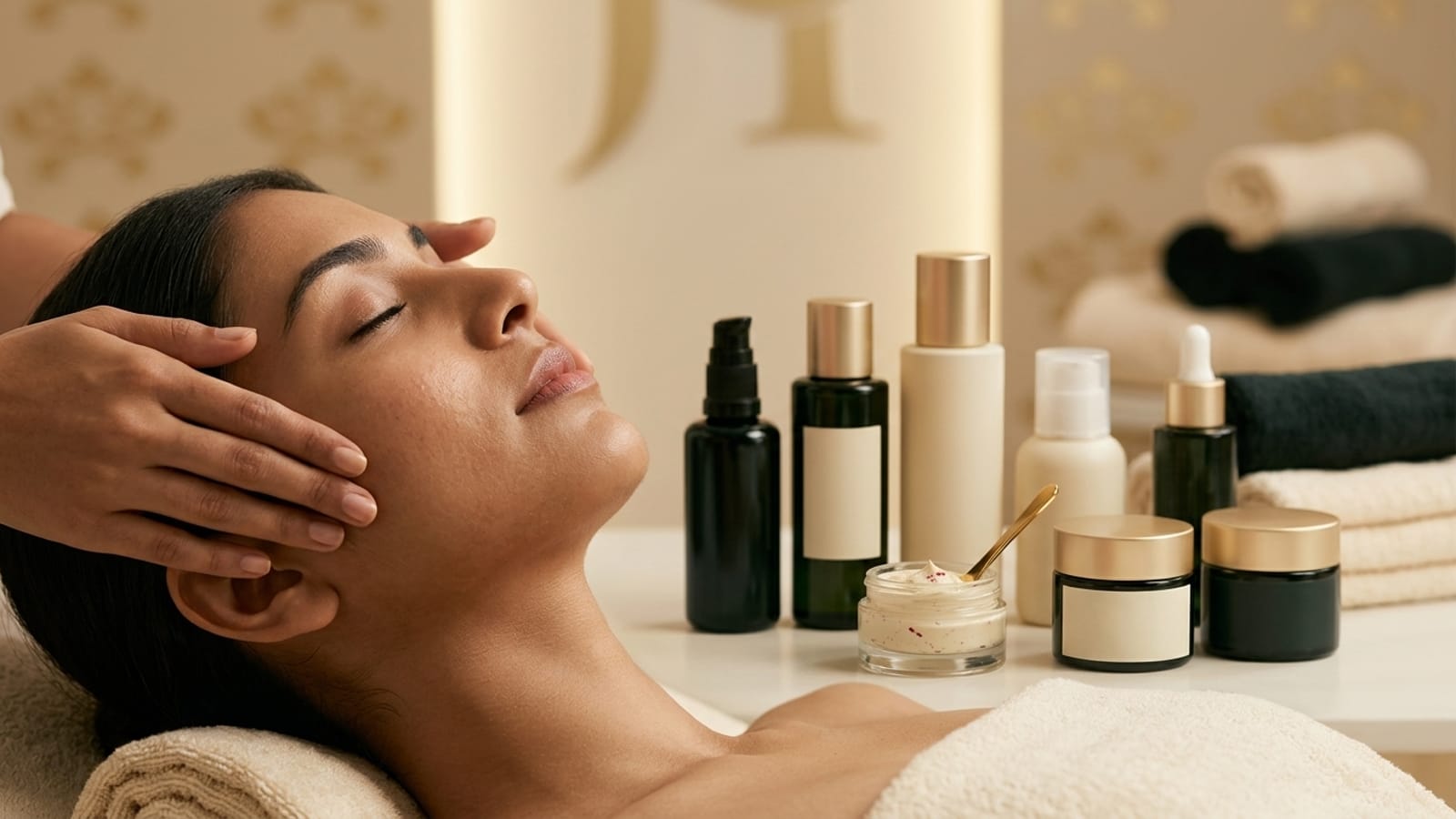
Think of a professional facial as a periodic deep-clean and reset for your skin that complements your daily routine. Here’s what a targeted salon treatment can offer:
- Professional Analysis: It starts with a conversation. An experienced esthetician can assess your specific type of acne, look at your skin under a magnifying lamp, and help you understand your triggers.
- Safe, Hygienic Extractions: Trying to pop pimples at home often leads to scarring and more inflammation. A pro knows which blemishes can be safely extracted and does so in a sterile environment to prevent infection.
- Advanced Exfoliation & Calming: At JH Salon, we use professional-grade exfoliants and masks with higher concentrations of active ingredients than you can buy over the counter. This allows for a more effective treatment, followed by ingredients designed to calm inflammation and soothe redness.
For those preparing for a major event, a series of targeted facials can make a world of difference. This is why we often build a customized skincare plan into our pre-wedding packages, starting a few months before the big day to get the skin calm, clear, and glowing.
When to See a Professional
Navigating acne care can be confusing. Here’s a simple guide:
-
Book an Esthetician when... you have mild to moderate non-inflammatory acne (blackheads, whiteheads), some inflammatory pimples, and want to improve your skin’s overall texture and health. We are your partners in building a great routine and achieving your cosmetic skin goals.
-
Consult a Dermatologist when... you have severe, painful, cystic acne, significant scarring, or if your acne isn't responding to consistent home care and professional facials. A dermatologist can provide medical diagnosis and prescribe medications like topical retinoids, antibiotics, or Accutane. '''
- ·Hormonal fluctuations (monthly cycles, PCOS)
- ·Stress and high cortisol levels
- ·Genetics and predisposition to oily skin
- ·Dietary triggers like sugar and dairy for some individuals
- ·Environmental factors like pollution and humidity in Bangalore
- ·Use of incorrect, comedogenic skincare products
- ·Whiteheads and blackheads (comedones)
- ·Red, inflamed pimples (papules and pustules)
- ·Deeper, painful lumps (nodules and cysts)
- ·Excessively oily or shiny skin
- ·Dark spots or marks after a pimple heals (PIH)
- ·Skin feeling congested or bumpy
- ·Use a gentle, sulphate-free cleanser twice daily.
- ·Incorporate a chemical exfoliant (like Salicylic Acid or a gentle AHA) 2-3 times a week.
- ·Never skip moisturizer; use a lightweight, non-comedogenic formula.
- ·Wear a broad-spectrum sunscreen with at least SPF 30 every single day.
- ·Avoid picking, squeezing, or touching active breakouts to prevent scarring.
- ·Regularly clean items that touch your face, like your phone screen and pillowcases.
Where this becomes a real result.
Not sure where to start?
Send us a WhatsApp with your concern — our stylists reply with a tailored plan, usually within minutes.
Your questions, answered.
More from the editors.

How to Identify Your Skin Type (And Build the Right Routine)
Ever feel like your skincare is fighting you? Understanding your true skin type is the first, most crucial step to a radiant, healthy complexion. Let's decode it together.
Pigmentation & Dark Spots: A Complete Treatment Guide
Tired of uneven skin tone and stubborn dark spots? Consider this your expert-led, Vogue-approved guide to reclaiming your skin's clarity and radiance, right here in Bangalore.

Anti-Ageing Facials: What Works, What Doesn't & When to Start
Confused by anti-ageing claims? We cut through the noise, offering a real-world guide to when to start, what works, and how to maintain youthful, radiant skin in a city like Bangalore.