
Pigmentation & Dark Spots: A Complete Treatment Guide
Tired of uneven skin tone and stubborn dark spots? Consider this your expert-led, Vogue-approved guide to reclaiming your skin's clarity and radiance, right here in Bangalore.

''' It’s a story many of us in Bangalore know all too well. You diligently follow your skincare routine, you never sleep with makeup on, but one day you look in the mirror and notice it: a constellation of faint, dusky patches on your cheeks, or the ghost of a long-gone pimple that has decided to overstay its welcome. Pigmentation, in all its forms, is one of the most common and frustrating skin concerns we see at JH Salon. It feels stubborn, unpredictable, and can seriously dim your glow.
But here’s the truth: clear, even-toned skin isn’t an impossible dream, even in a city with year-round sun and environmental stressors. Understanding why pigmentation happens is the first step to treating it effectively. This isn’t about miracle cures; a journey towards luminous skin is a marathon, not a sprint. Consider us your trusted guide and pacing partner for every step.
What's Actually Happening in Your Skin?
Think of your skin as a beautifully intricate factory. Within this factory, you have specialised workers called melanocytes. Their job is to produce melanin, the pigment that gives our skin, hair, and eyes their unique colour. When your skin is exposed to a trigger—like UV radiation from the sun, inflammation from a breakout, or hormonal shifts—these melanocyte workers receive an "emergency" signal. In response, they go into overdrive, producing excess melanin to protect the skin.
When this production is uneven or localised, the excess melanin clumps together, forming visible dark spots and patches on the surface. This is what we call hyperpigmentation. It’s not a sign of damaged skin, but rather your skin’s protective mechanism working a little too efficiently.
The Main Culprits: Common Causes of Pigmentation
Understanding your triggers is key to building an effective treatment plan.
- Sun Exposure: This is the number one cause. The potent Bangalore sun is a constant factor, and even incidental exposure (like sitting by a window or a short walk to the car) puts your melanin production into high gear.
- Post-Inflammatory Hyperpigmentation (PIH): This is the dark mark left behind after any kind of skin inflammation—acne, a rash, a bug bite, or even harsh scrubbing. It’s particularly common in Indian skin tones.
- Hormonal Fluctuations: Pregnancy, birth control, and other hormonal shifts can trigger a specific type of pigmentation called melasma, which often appears as symmetrical patches on the cheeks, forehead, and upper lip.
- Pollution & Hard Water: Environmental stressors in a bustling city like Bangalore can create free radicals, which in turn trigger inflammation and contribute to an uneven skin tone. Hard water can compromise your skin barrier, making it more susceptible to damage.
Your At-Home Defence: A Proactive Routine
Consistency with your home care routine is the foundation of managing pigmentation. You can’t out-facial a bad home routine!
-
Sunscreen is Non-Negotiable: If you do only one thing, let it be this. A broad-spectrum sunscreen with SPF 30 or higher, applied generously every single morning (yes, even on cloudy days) and reapplied every 2-3 hours if you’re outdoors, is your best defence.
-
Embrace Antioxidants: A Vitamin C serum is a powerhouse. It not only helps to inhibit the enzyme responsible for melanin production, but it also protects your skin from free radical damage. Think of it as an extra layer of security beneath your sunscreen.
-
Incorporate Gentle Brighteners: Look for ingredients like Niacinamide, Azelaic Acid, or Liquorice Root extract. These work to fade existing spots and prevent new ones from forming, all while supporting your skin’s overall health.
-
Exfoliate, But With Caution: Swapping harsh physical scrubs for gentle chemical exfoliants like Lactic or Glycolic Acid (AHAs) can be transformative. They work by dissolving the "glue" that holds dead skin cells together, revealing brighter, fresher skin underneath. Start slowly (once or twice a week) to avoid irritation, which can backfire and cause more pigmentation.
-
Hydrate & Repair: A well-hydrated, healthy skin barrier is less prone to irritation and pigmentation. Look for moisturisers with ceramides and hyaluronic acid to keep your skin plump and resilient.
Elevating Your Results: Professional Salon Treatments
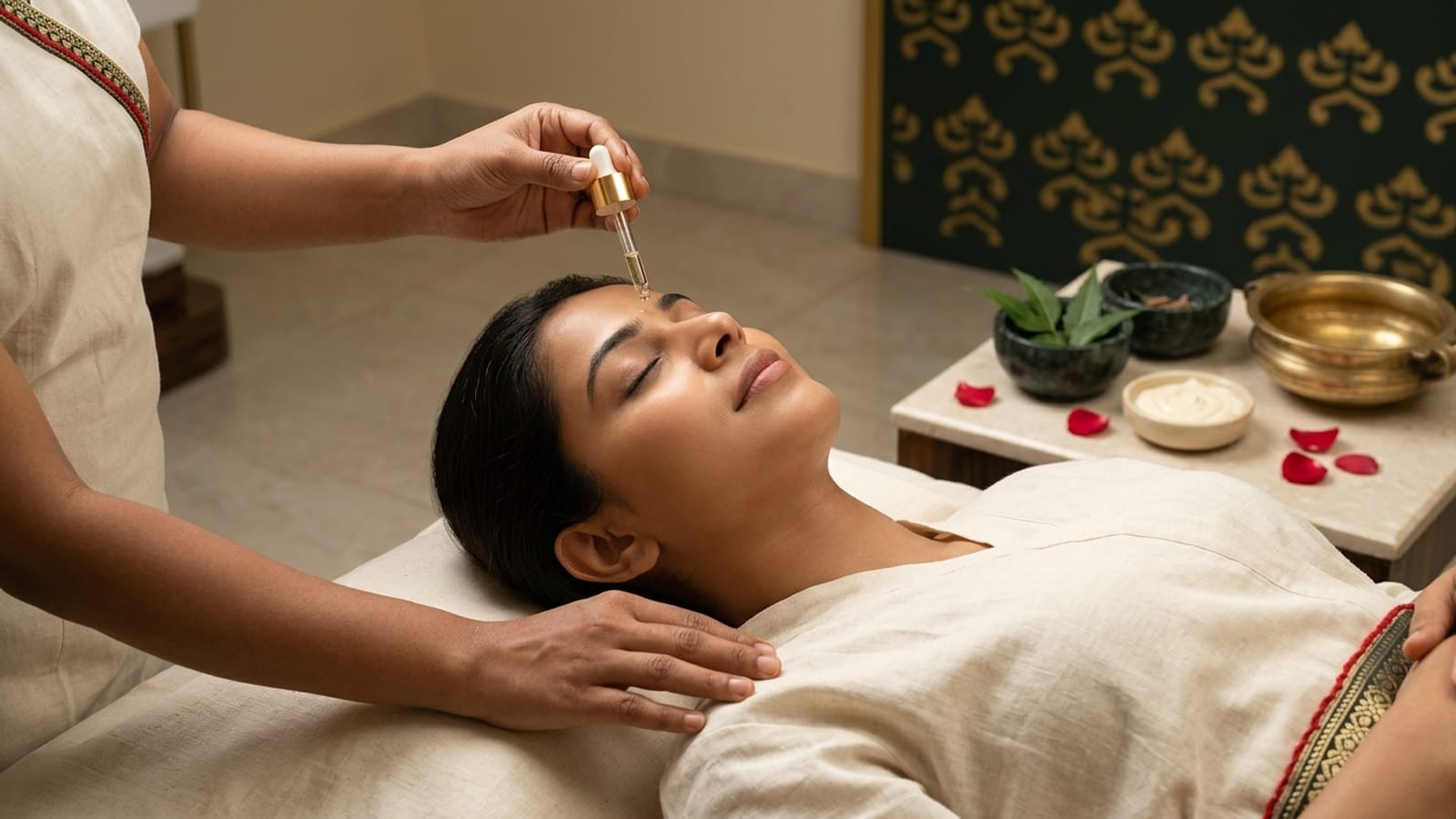
While home care is crucial for maintenance, sometimes you need a professional boost to tackle stubborn, deeper pigmentation. This is where the expertise of a trained aesthetician comes in. At JH Salon, our skin experts in Hebbal are trained to analyse your specific skin concerns and recommend treatments that go beyond what you can achieve at home.
Professional facials and mild peels use higher concentrations of active ingredients in a controlled, safe environment to accelerate cell turnover and target melanin deposits more effectively. These treatments are often the secret weapon behind achieving that truly luminous, even-toned complexion, which is why they form a core part of our pre-wedding and bridal skincare programs. We focus on building a customised schedule of treatments that work in synergy with your home routine to get you that photo-ready glow for your special day.
For those committed to long-term results, a JH Salon membership can be a great way to ensure you are consistently getting the professional care needed to keep pigmentation at bay.
When to Book a Pro (and When to See a Dermatologist)
If you’re starting your journey, feeling overwhelmed, or your dark spots are persistent, it’s time to consult a professional aesthetician. We can provide a thorough skin analysis, demystify ingredients, and set you on the right path with both home care advice and a plan for in-salon treatments.
However, it
- ·Sun exposure (UV radiation)
- ·Post-Inflammatory Hyperpigmentation (PIH) from acne or irritation
- ·Hormonal changes (melasma)
- ·Genetic predisposition
- ·Environmental pollution and blue light
- ·Certain medications
- ·Flat, dark brown or black patches on the skin
- ·Uneven skin tone
- ·Freckles or sun spots
- ·Patches appearing after inflammation or injury (like acne)
- ·Symmetrical patches on cheeks, forehead, or upper lip
- ·Wear broad-spectrum SPF 30+ sunscreen daily, reapplying every 2-3 hours.
- ·Incorporate a Vitamin C serum into your morning routine for antioxidant protection.
- ·Use gentle chemical exfoliants (like Glycolic or Lactic Acid) 1-2 times a week.
- ·Look for serums with Niacinamide, Kojic Acid, or Azelaic Acid to brighten skin.
- ·Avoid picking or squeezing pimples to prevent PIH.
- ·Keep skin hydrated and maintain a healthy skin barrier with a good moisturiser.
Where this becomes a real result.
Not sure where to start?
Send us a WhatsApp with your concern — our stylists reply with a tailored plan, usually within minutes.
Your questions, answered.
More from the editors.

How to Identify Your Skin Type (And Build the Right Routine)
Ever feel like your skincare is fighting you? Understanding your true skin type is the first, most crucial step to a radiant, healthy complexion. Let's decode it together.
Acne 101: Triggers, Treatments & Salon Facials That Help
Breakouts aren't just for teenagers. We break down the science behind adult acne in Bangalore and explain what you can *actually* do at home and in the salon for clearer, calmer skin.

Anti-Ageing Facials: What Works, What Doesn't & When to Start
Confused by anti-ageing claims? We cut through the noise, offering a real-world guide to when to start, what works, and how to maintain youthful, radiant skin in a city like Bangalore.